
As an Amazon Associate, Fetchvera earns from qualifying purchases. We research published specs — we don’t accept free products or paid placements.
A good GPS tracker turns a worst-case scenario — a slipped leash, an open gate — into a short walk to the right street. A bad one gives you a false sense of security and a dead battery. Here’s how to read the spec sheet before you buy.
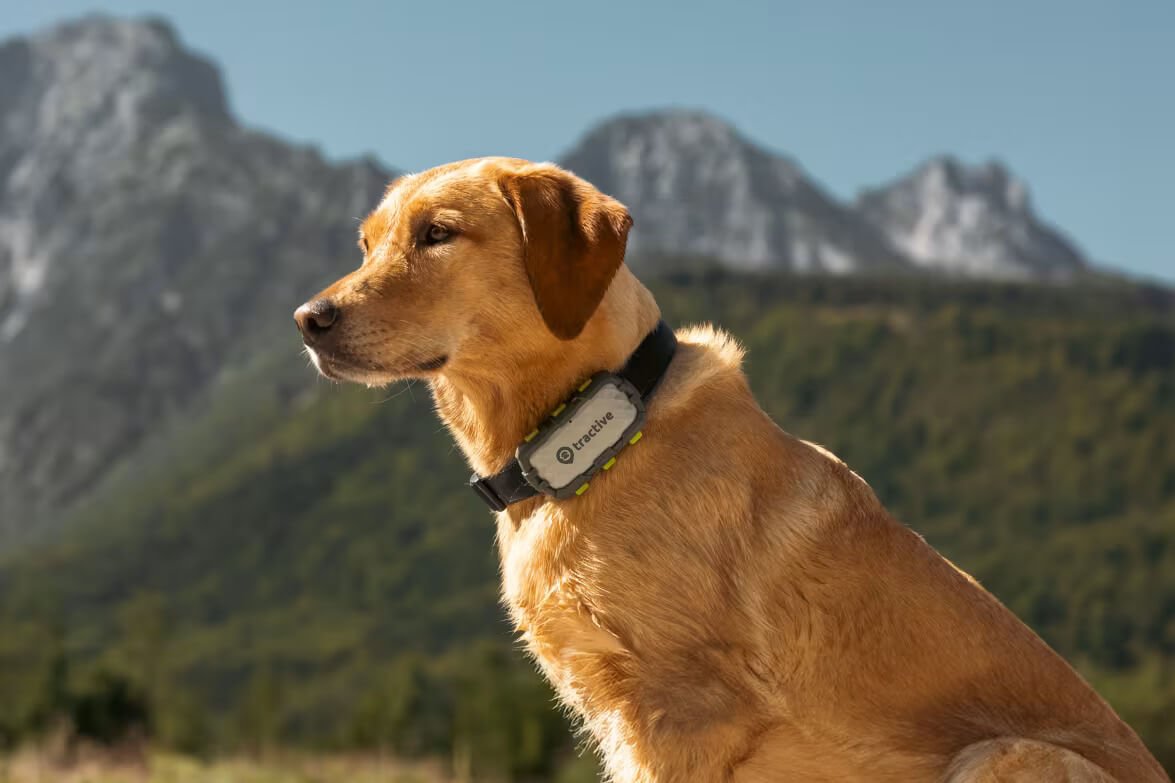
How pet GPS trackers actually work
Most dedicated pet trackers combine two radios: a GPS receiver that fixes the device’s position from satellites, and a cellular modem that sends that position to your phone. That cellular link is why nearly every true GPS tracker requires a subscription — you’re paying for the built-in SIM card and data, not just the hardware.
This is the key distinction from Bluetooth item finders like the Apple AirTag. An AirTag has no GPS and no cellular radio; it reports its location only when a nearby Apple device picks up its Bluetooth signal. In a busy neighborhood that can work surprisingly well. On an empty trail, it goes quiet. If you need live tracking anywhere there’s cell coverage, you need a real GPS tracker and the subscription that comes with it.
Battery life: read the fine print
Published battery figures are best-case numbers, usually measured with the tracker sitting inside a “safe zone” at home where it barely needs to phone home. Tractive rates its DOG 6 at up to 14 days with Power Saving Zones active — but switch on live tracking, which updates every 2–3 seconds, and you’re looking at hours, not days. That’s normal; live tracking is an emergency mode, not an everyday mode.
Fi takes a different approach: its Series 3 collar is rated up to 3 months in low-activity use, thanks to an LTE-M cellular radio that sips power. But its Lost Dog Mode — the high-frequency tracking you actually need when your dog is missing — lasts about 2 days on a full charge. The pattern is the same across brands: the headline number assumes the tracker is mostly idle. Ask yourself how the battery behaves in the scenario you’re buying it for.
Coverage, subscriptions, and the real monthly cost
Tractive’s built-in SIM works in 175+ countries, and plans start around $5/month on long prepaid terms. Fi’s LTE-M network covers the US only — no international tracking — and US plans require prepaid terms plus an activation fee. Factor the subscription into the total cost of ownership: a $79 tracker on a $5/month plan costs about $139 in year one.
Also check what’s actually included. Tractive bundles virtual fences (escape alerts), activity and sleep tracking, bark monitoring, and even heart and respiratory rate trends into its app. Fi includes escape alerts, safe zones, and AI-analyzed behavior tracking. The hardware is only half the product; the app and the plan are the other half.
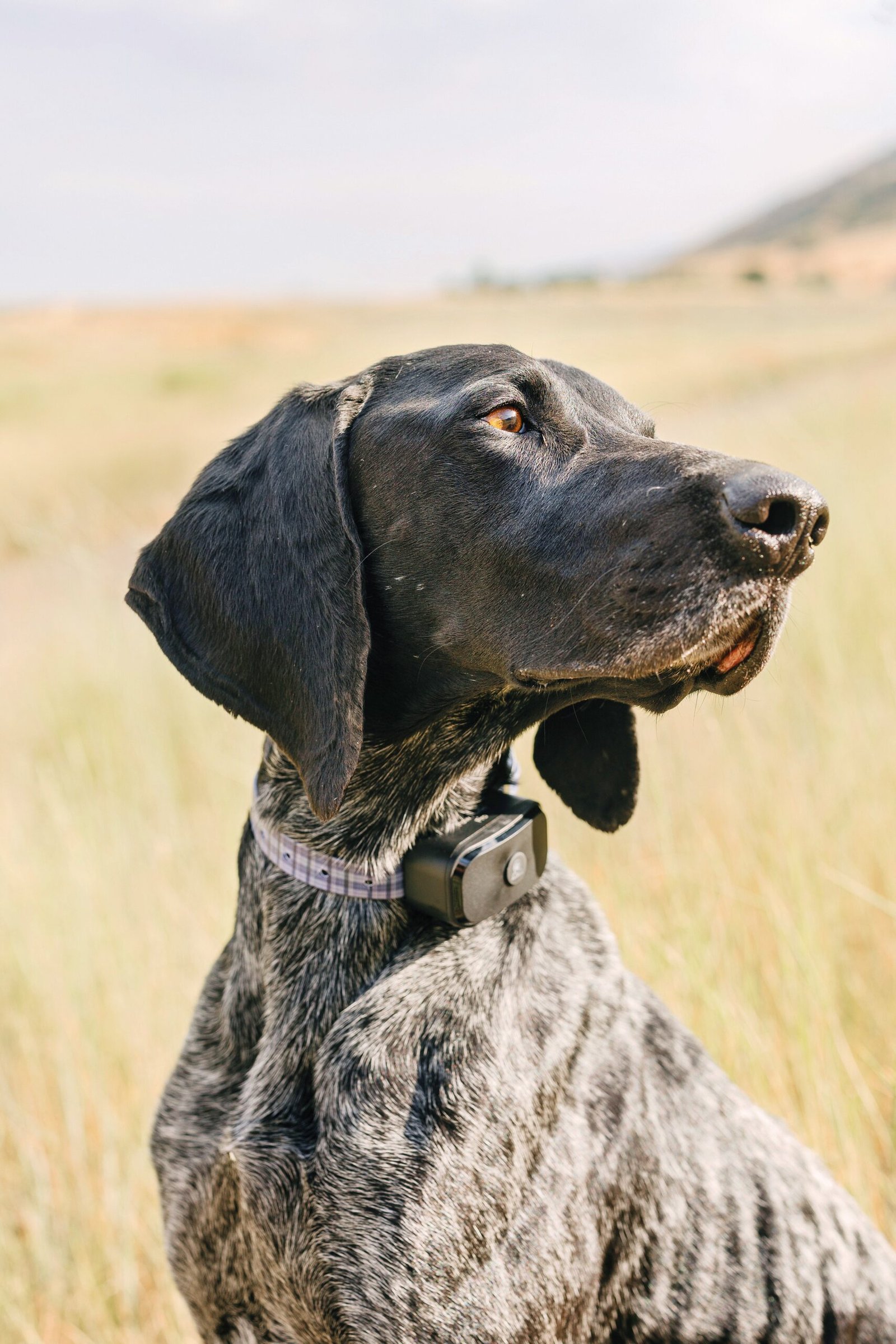
Size, weight, and fit
A tracker your dog won’t tolerate is a tracker that stays in a drawer. Tractive’s DOG 6 weighs 39 grams and fits dogs 8.8 lb and up — fine for a beagle, too bulky for a teacup poodle. For large dogs, Tractive’s XL stretches battery to a rated month and suits dogs 44 lb and up. Fi’s Series 3 hardware is collar-integrated and rated IP68 waterproof, but the minimum 11.5-inch neck rules out small breeds; Fi’s Mini line (0.56 oz) is the small-dog answer.
Waterproofing matters more than most people expect. Dogs swim, roll in mud, and get caught in rain. Look for a real IP rating (IP68 means dust-tight and submersible) rather than a vague “water-resistant.”

What we’d look for, by use case
For escape-prone dogs: Prioritize escape alerts and live-tracking speed. Tractive’s 2–3 second live updates and virtual fences are built for exactly this, and Fi’s automatic Lost Dog Mode triggers when the collar detects an escape.
For hikers and travelers: Check coverage maps first. Tractive’s 175-country cellular coverage beats Fi’s US-only network if you cross borders. And remember that live tracking drains any battery in hours — plan your search strategy around it.
For small dogs and cats: Weight is everything. A 39-gram unit is a lot on a 9-lb frame. Look at miniaturized options like the Fi Mini, and be honest about whether a Bluetooth finder plus a good collar might cover your actual risk (a city apartment vs. open countryside are very different problems).
The bottom line
Buy the subscription model you’ll actually keep paying for, the battery behavior that matches your worst day (not your average day), and hardware your pet will wear without complaint. The cheapest tracker is the one that’s charged, attached, and on an active plan the day you need it.
Want the interactive version? Try our Pet Tech Finder on the homepage to match devices to your pet. And if cameras are more your speed, read our guide to pet camera features worth paying for.
1 thought on “How to Choose a Pet GPS Tracker: What Actually Matters”
Comments are closed.